

U.S. Government Shutdown Causes Problems for Food Assistance

Maddie Parker
Published May 21, 2026
The U.S. government shutdown has lasted for two months, and it is now causing serious problems for many Americans.
Because of the political gridlock in Washington, citizens are facing delays in getting food assistance (known as SNAP), higher health insurance costs, and even longer wait times at airports.
Struggles for Families
Many families are having trouble getting enough food. Some federal workers are not getting paid, and people are experiencing more and more hardship.
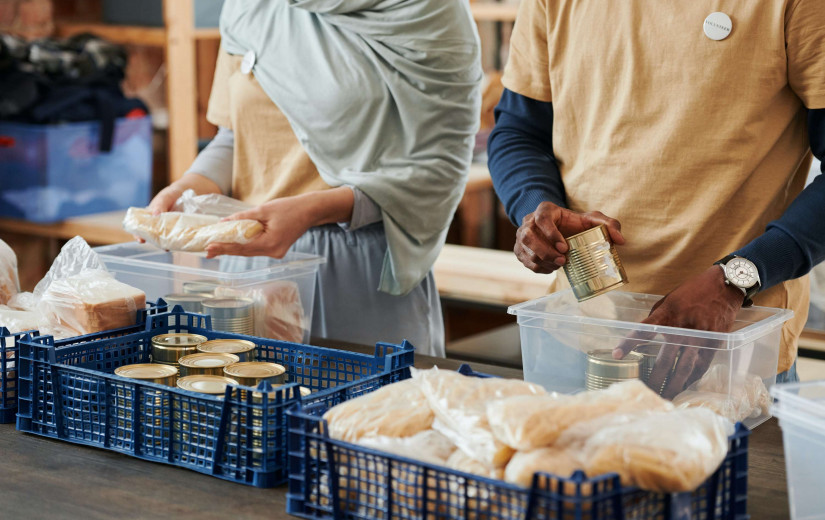
At a food bank in the Bronx, Reverend John Udo-Okon shared how hundreds of people have been lining up since early morning to get help. "You can feel the desperation," he said.
SNAP Program Delays
The Department of Agriculture planned to hold back $8 billion in SNAP payments, but federal judges stepped in to demand these payments be made. Even so, millions of households who rely on SNAP (about one in eight Americans) are worried about delays.
A judge in Rhode Island ordered the government to provide funding by Monday. If the full amount isn’t there, the government might have to give only part of the benefits or use emergency funds.
Food banks are seeing more people than usual. In Connecticut, Jill Corbin said her food bank saw a 30% increase in families asking for help.
Political Blame Game
Both Democrats and Republicans are blaming each other for the shutdown and delays. Democrats say President Trump is "illegally withholding benefits," while Republicans say Democrats keep blocking short-term funding plans.
Political leaders in Washington remain divided and have not been able to reach an agreement.
President Trump has called for the end of the filibuster rule, which would let laws pass without needing votes from both parties. He urged his party to "fight, win and end the extortionate shutdown" on social media.
Rising Health Insurance Costs
On top of the food assistance crisis, health insurance is also becoming more expensive.
Federal subsidies for Affordable Care Act (ACA) insurance are ending, which means millions of Americans could soon pay double for their health coverage—up to $1,000 more per year on average.
Democrats want to extend these subsidies as part of any budget deal, while Republicans say the government should reopen first.
Senator Jeanne Shaheen warned that millions of families could face an unprecedented health crisis because of these changes.
Uncertainty Across the Country
With no agreement in sight, the country faces more uncertainty. For example, Arizona farmer TJ McCuin is worried his business will suffer if SNAP benefits run out—15% of his customers use them.
This shutdown is now the second longest in U.S. history, and the costs—both social and economic—keep rising each day.
As Washington remains at a standstill, Americans are preparing for another tough week of uncertainty, unpaid bills, and broken promises.
-
Subscribe to secure your food stamps and learn more about this government benefit
Popular Articles




Weekly newsletter
Receive the latest releases and exclusive articles straight to your inbox every week.
Recent Articles
View all posts
Fueling Your Fitness: Can You Buy Creatine with EBT?...
There comes a point in life when we finally decide to get healthier and build muscle. However, it's often a struggle to find food to help you gain at a friendly price. Nutrition matters for muscle building, and ...

Good News for Grocery Budgets: SNAP Benefits Are Increasing on October 1...
Starting October 1, 2026, maximum monthly allotments for the Supplemental Nutrition Assistance Program (SNAP) will increase. This annual adjustment is designed to help your food budget keep up wi...

Your September 2026 SNAP Recertification Guide: How to Keep Your Food Benefits...
If your SNAP (food stamp) benefits are set to expire in September, you need to renew them—a process called recertification. Recertification is simply a periodic check-in required by...
Florida SNAP Benefits Schedule & Amounts for September 2026...
Navigating food assistance schedules can feel confusing, but getting your benefits on time shouldn't be a guessing game. Florida distributes Supplemental Nutrition Assistance Program (SNAP) funds across t...
What is the SNAP Employment and Training Program?...
Exploring and understanding the government assistance programs can feel complex, but the SNAP Employment and Training (E&T) Program is here to help you build a stronger financial future. If you already receive Supp...

Troubleshooting EBT Card Issues During Online Purchases...
If your EBT card is being declined when trying to buy SNAP-eligible groceries online, your state likely has automatic security settings turned on to prevent fraud and theft. Several states—such as Alabama, ...